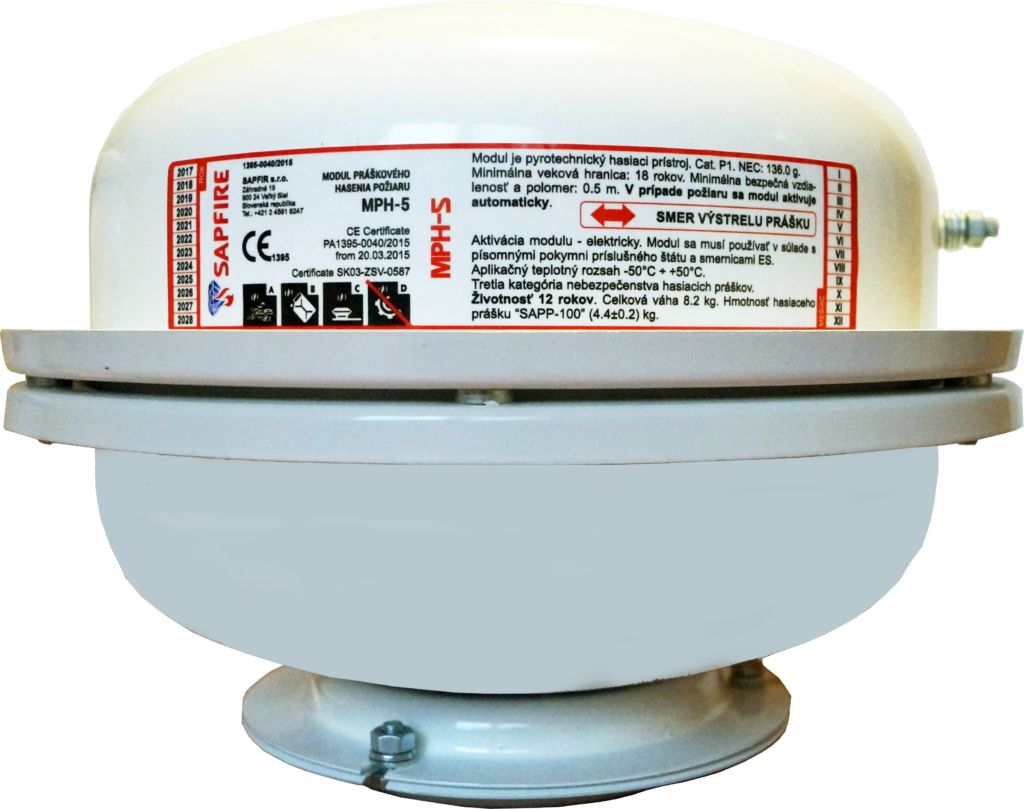
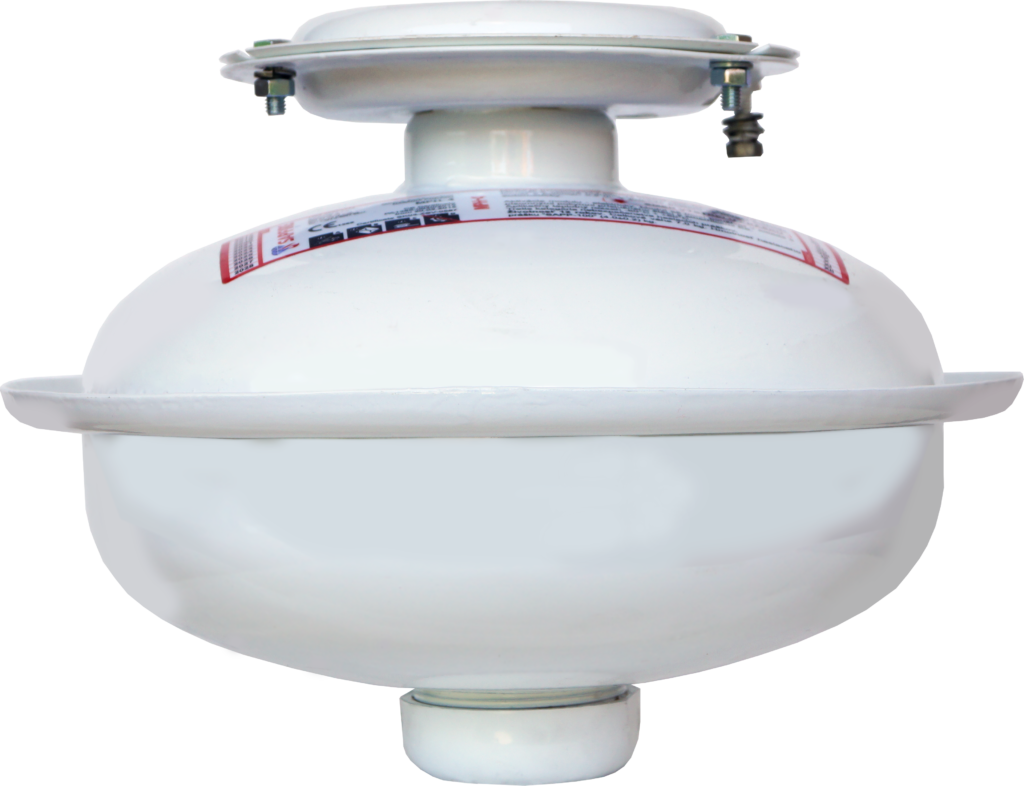
MPH-4 module
40 m² and 100 m³ of class A. The module that put out 25 litres of hydrogen peroxide.
The sensor reacts above 72 °C, the module fires dry powder, and what's left afterwards is a job for a vacuum cleaner. No pressure, no maintenance, 12 years of service life.
Gas needs a sealed room with nobody in it. Water and foam flood the floor below and write off your electronics — at Aupark in 2016 the automatic water system took out the building's entire camera network for nearly three months. SAPFIR powder leaves servers, antiques and people alone.
TPS sensors run on no energy source at all. When the mains drop or the switchboard burns out, the system still works.
The powder is harmless to health. The room needs no sealing and none of the evacuation drill that gas suppression demands.
Dry powder sweeps or vacuums away. Electronics survive, and transformers up to 40,000 V are extinguished without damage.
The modules hold no pressure, so there is nothing to charge or refill. A home needs one inspection a year, industry every six months.
40 m² and 100 m³ of class A. The module that put out 25 litres of hydrogen peroxide.
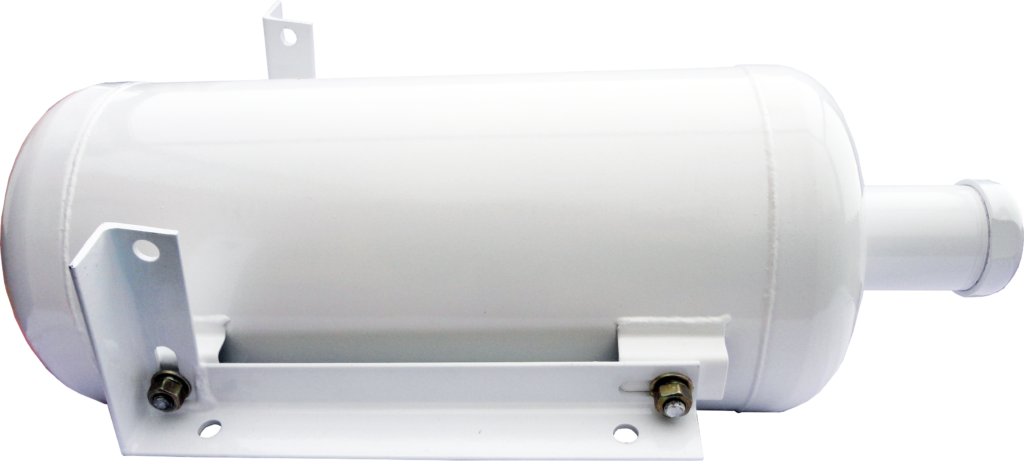
Discharges powder horizontally. For flat voids no other module can reach.
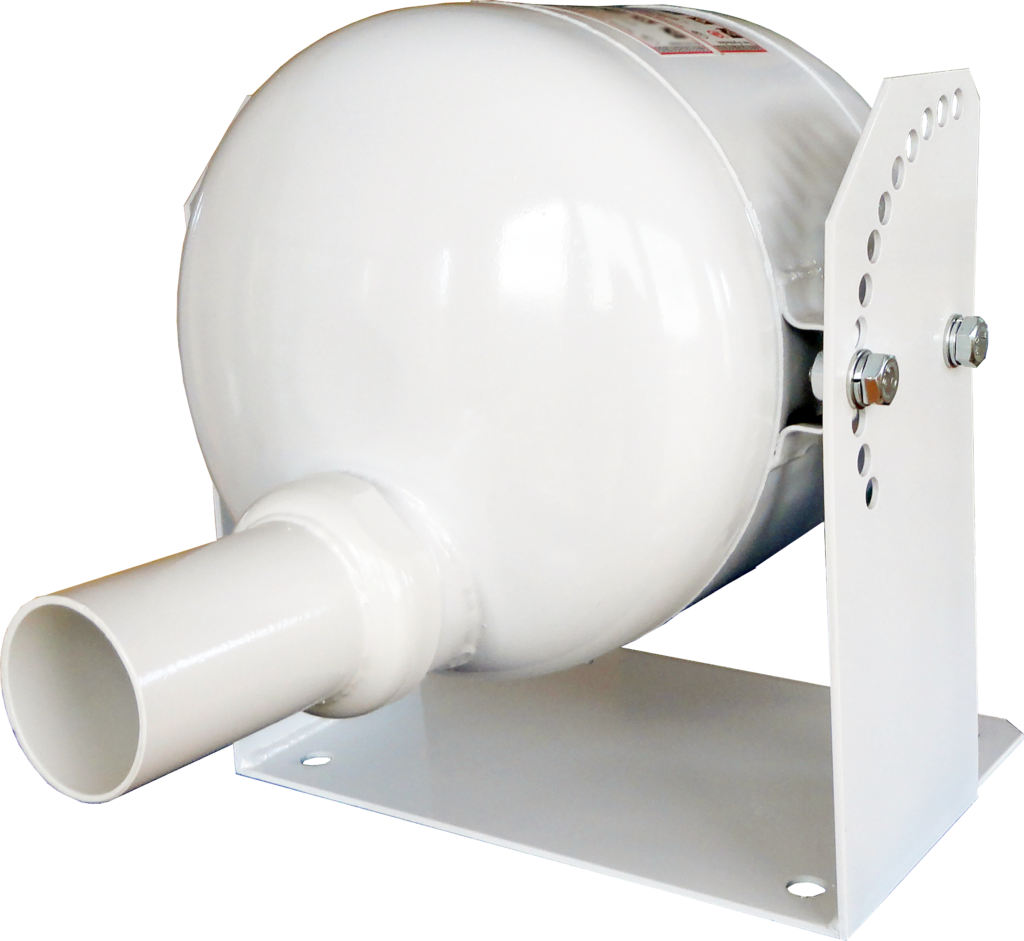
Aim the discharge at the risk itself. For production lines and conveyor belts.
The strongest module in the range. 250 m³ of class A and a range of up to 20 m.
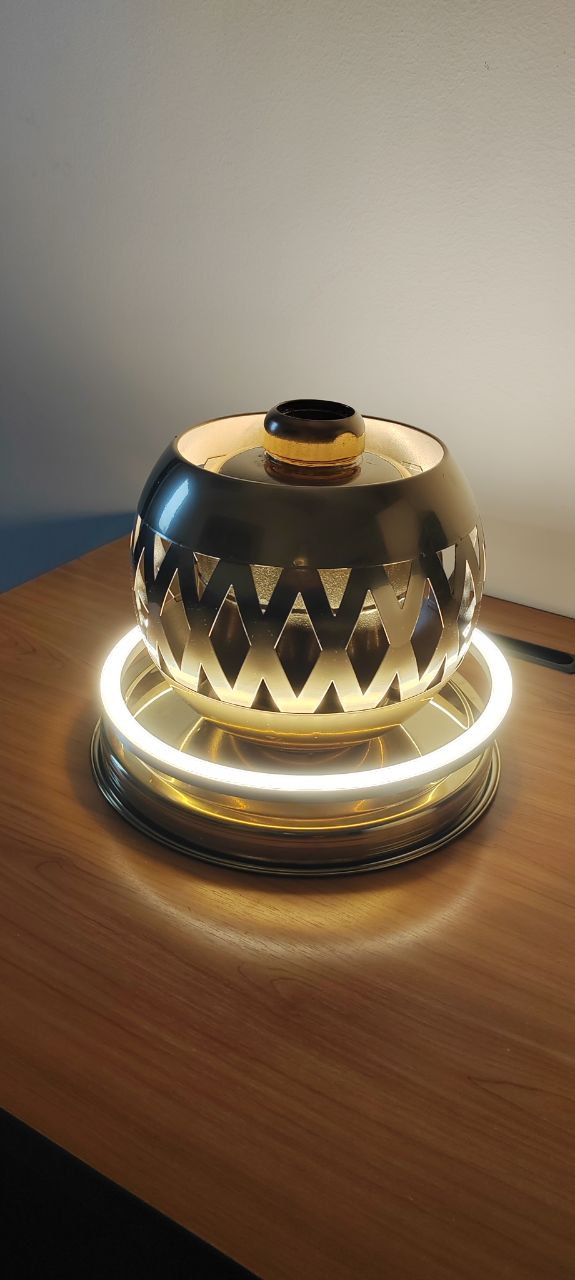
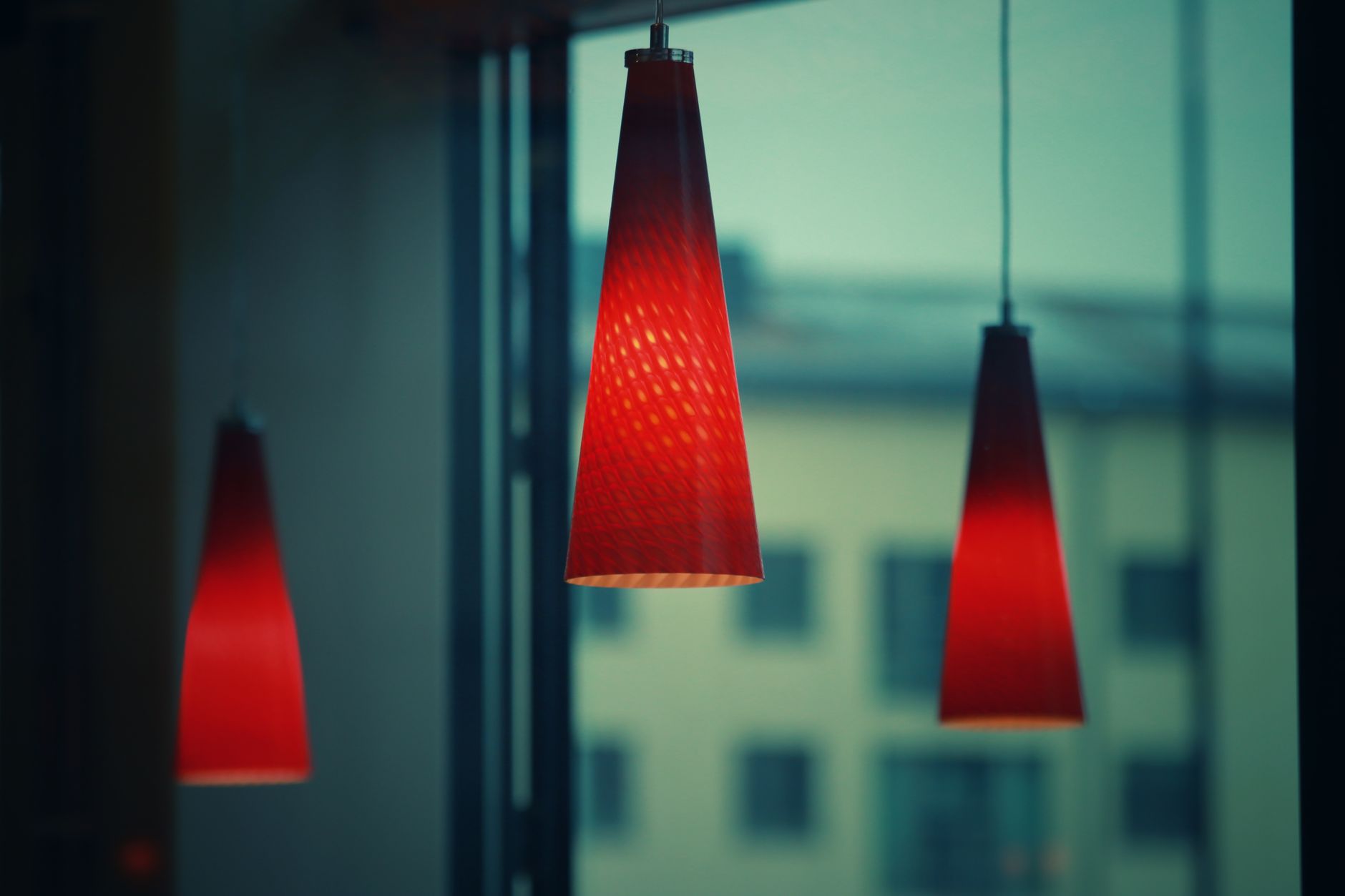
A lamp for dual suppression: two luminaires, one central sensor. Gold, black, white, silver.
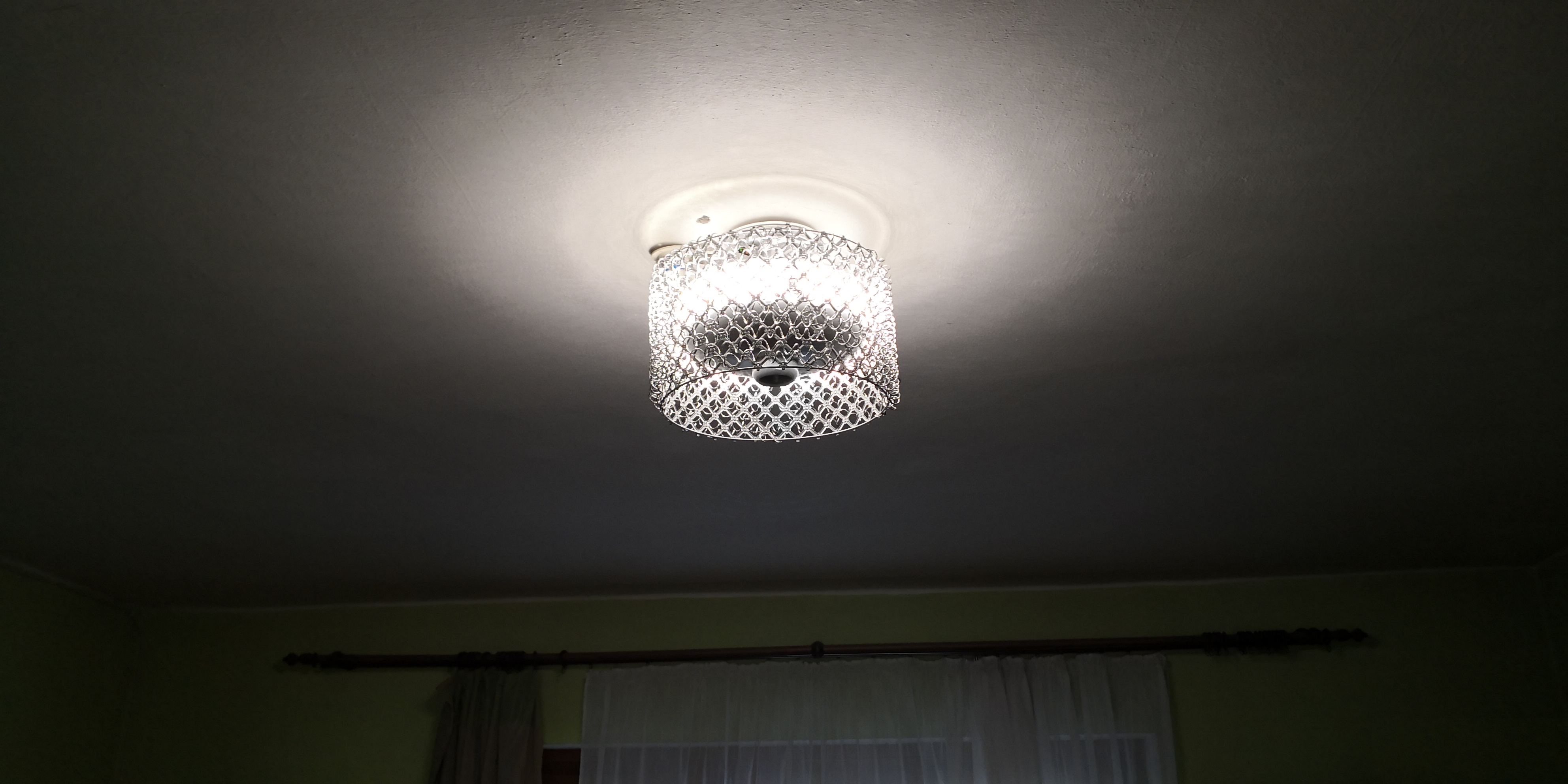
The sensor is built into the lamp. Recessed at least halfway into plasterboard.
The strongest lamp in the range. One luminaire covers 50 m² and 150 m³.
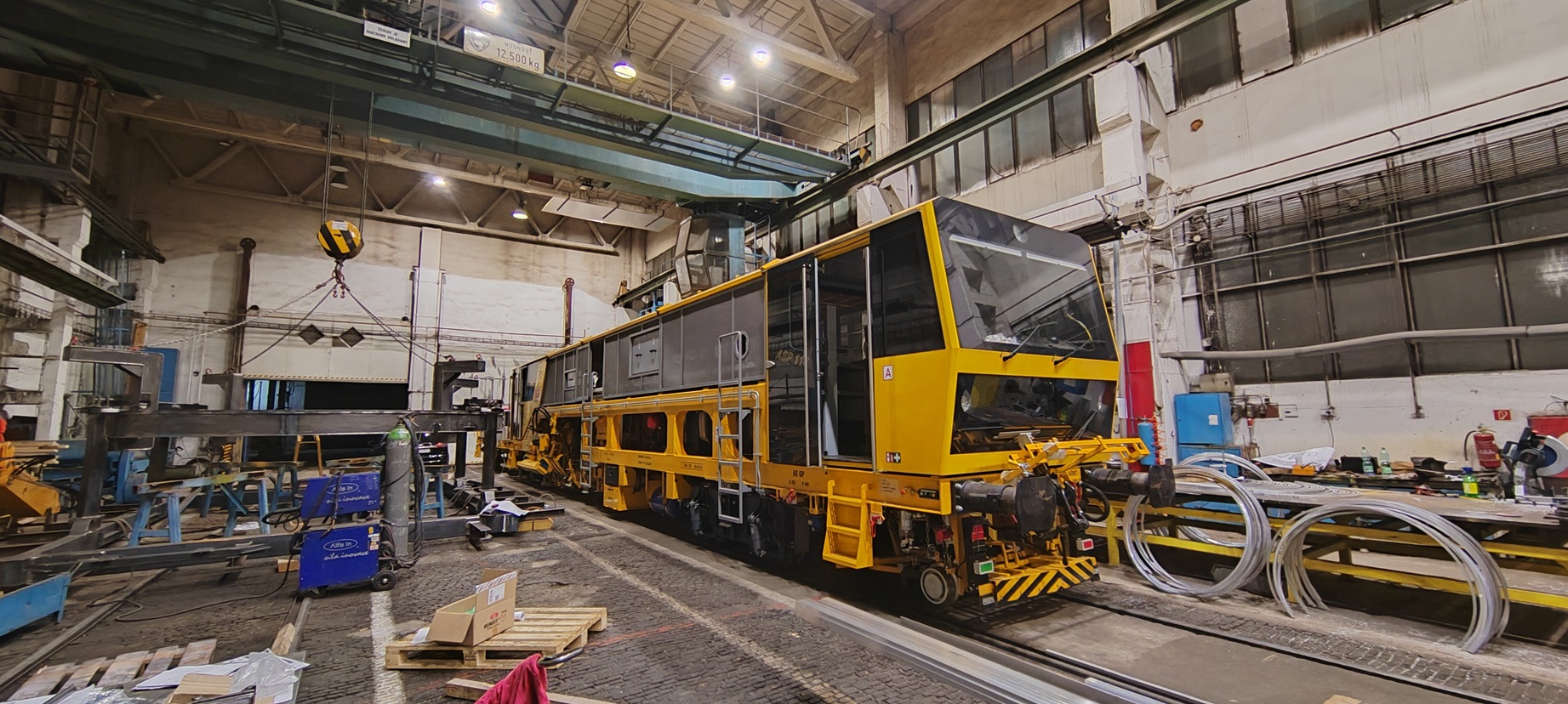
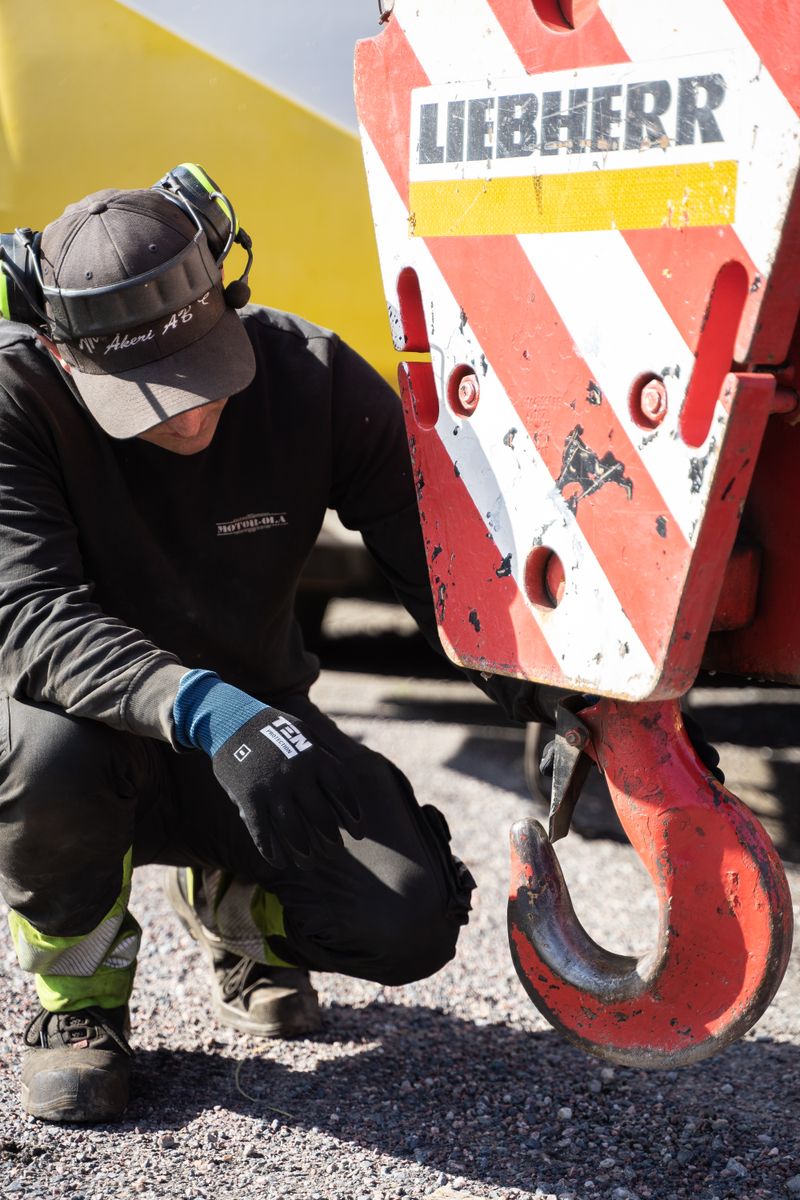
The transport version for locomotives and rail machines. Vibration, acidic air, heat.
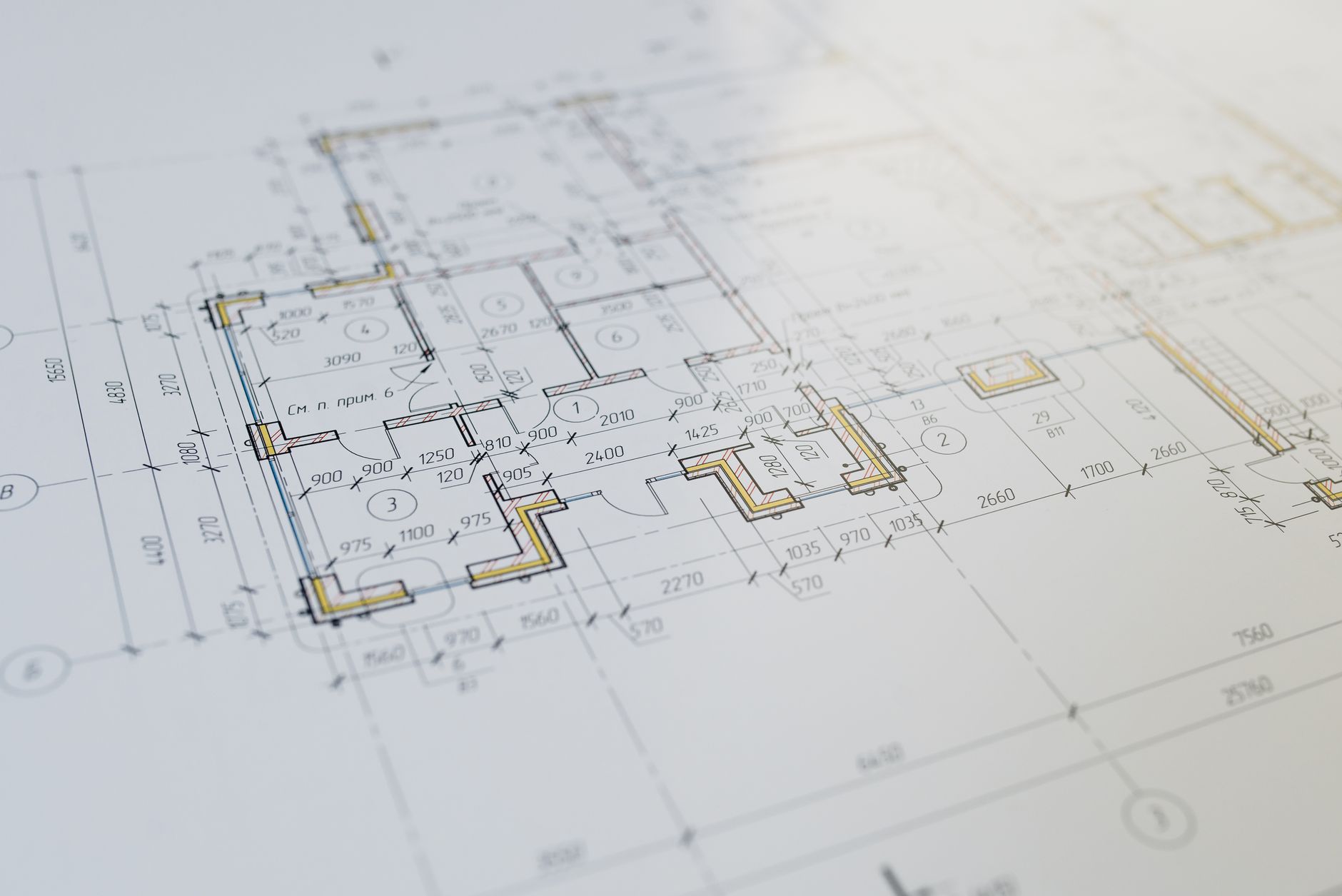
Enter the dimensions and what can burn inside. The calculator picks modules by area and fire class — from the MPH-2 for 25 m² up to the MPH-24 with a 20-metre throw.
Area, ceiling height and type of operation. A server room is a different problem from a granulate store.
Solids, liquids, gases or electrics. Most sites end up with at least two of them.
A split into suppression zones, the number of MPH modules and TPS sensors. We send the quote by email.
Water put out a cable fire. It flooded the shops one floor below and took the CCTV system down for three months.
Read more
After a bad experience with gas suppression in the engine shop, they needed something that harms neither electronics nor people.
Read more
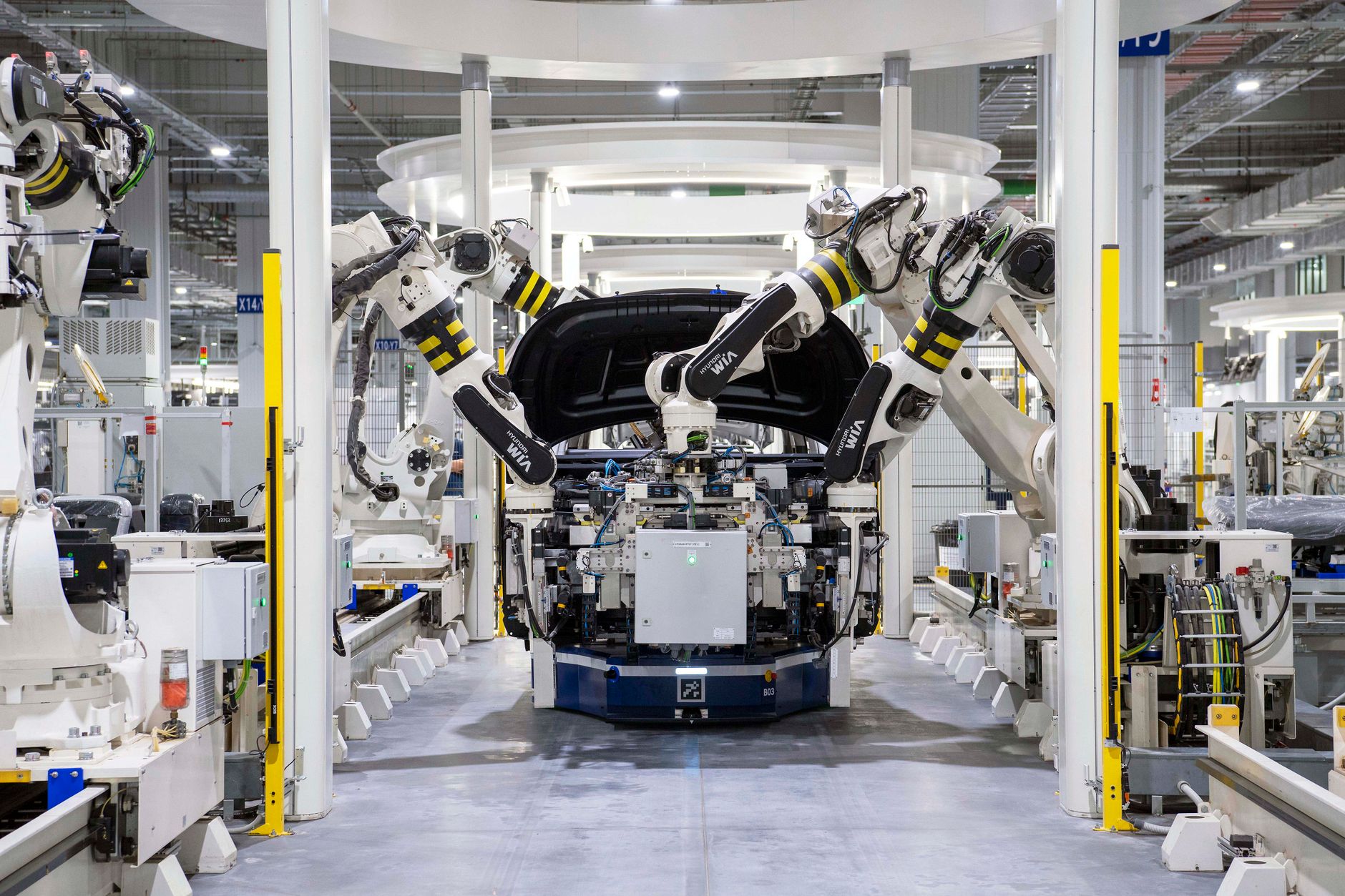
After a robotic line fire ran into millions, the Korean head office sent representatives to Slovakia.
Read more
The standards called for 12 kg of powder. The head of the works brigade bet that 4 kg would not do it. It did.
Read more
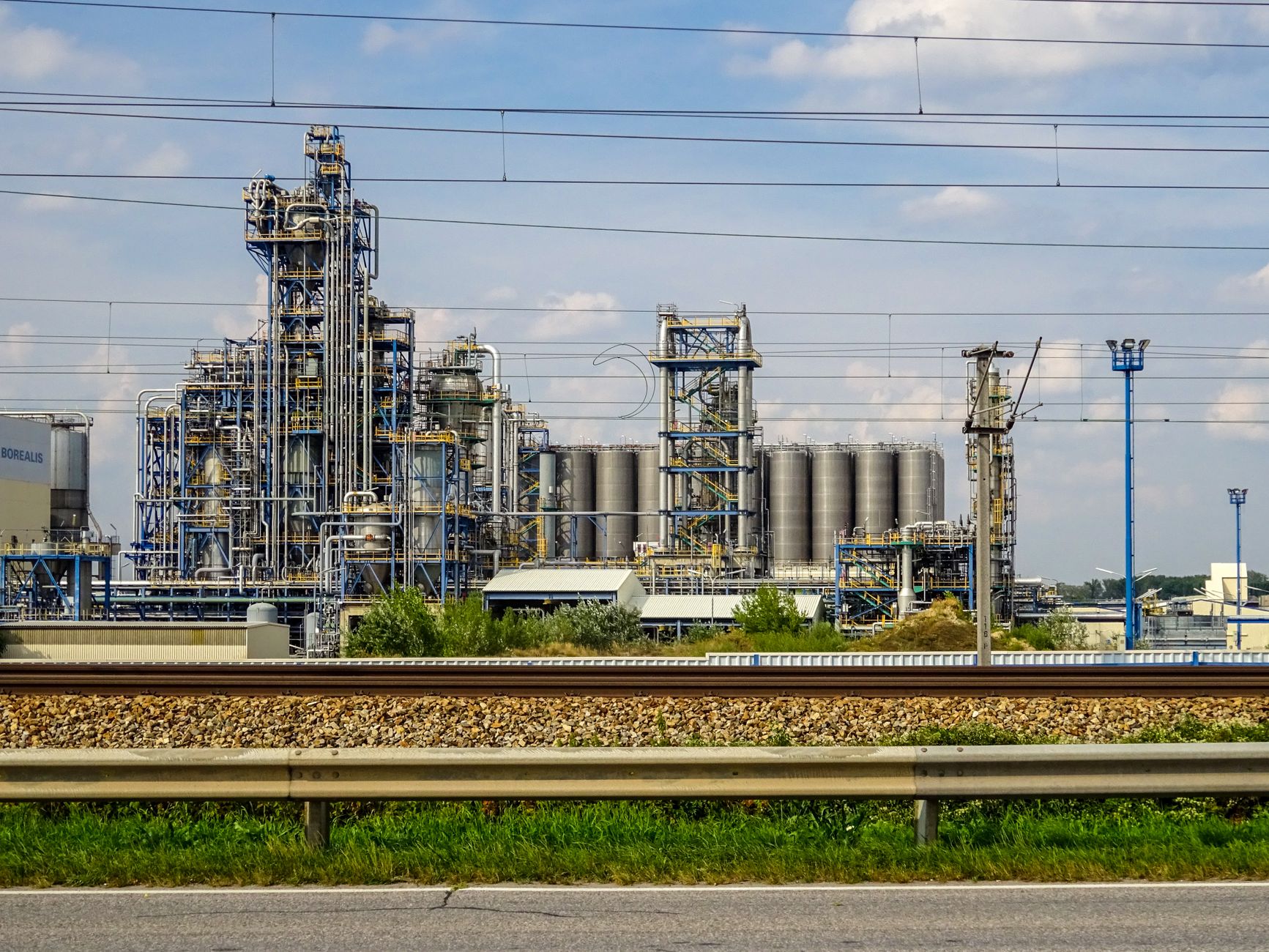
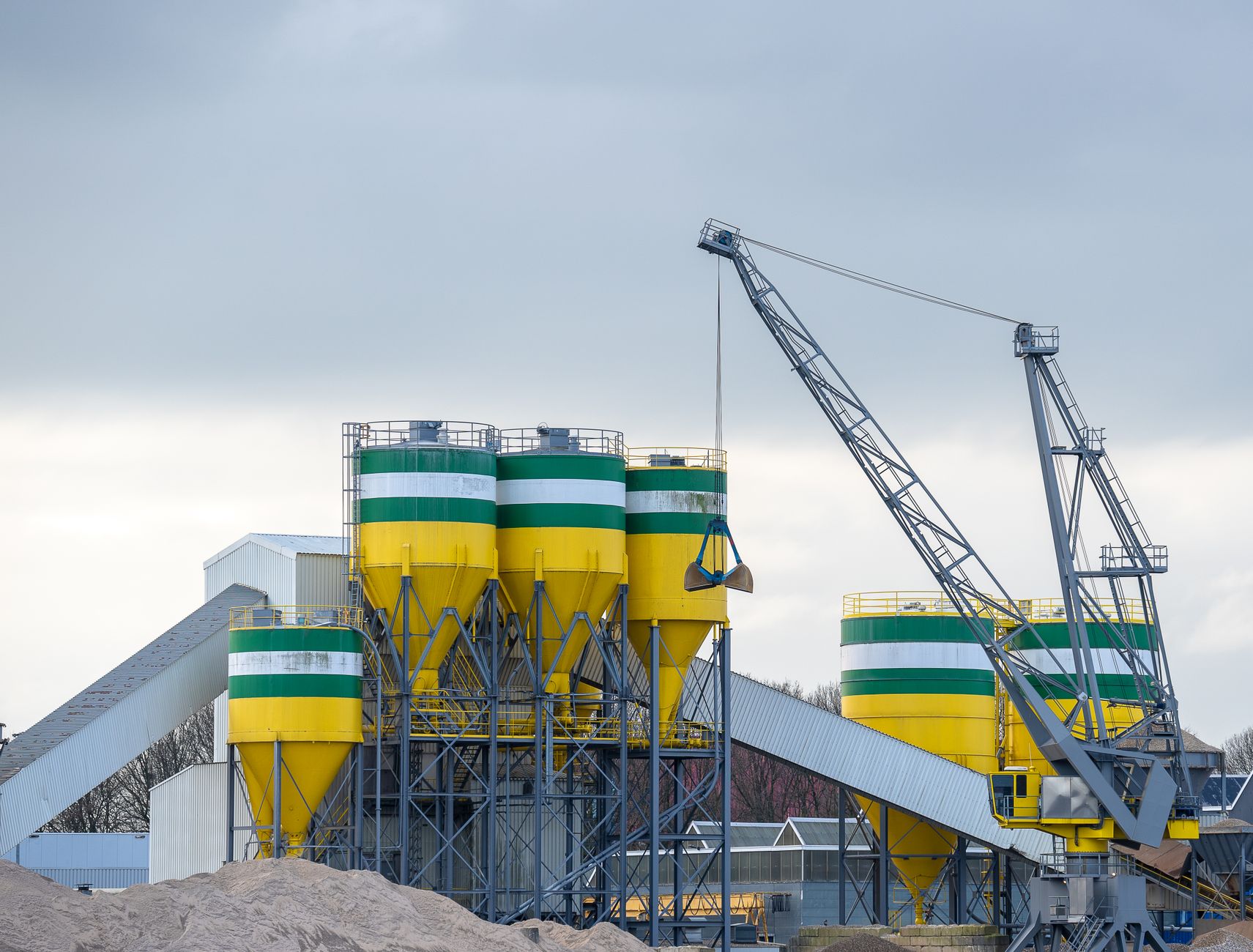
Chemical processes cause self-ignition. Water and foam are no use in lime and adhesive production — and in frost they freeze.
Read more
Chemical production, explosives manufacture, cable ducts and munitions stores. Working together since 2016.
Read moreGet in touch and we'll walk your site. You'll get a zone layout, a module count, and a straight answer on what the system will and won't do when the fire starts.
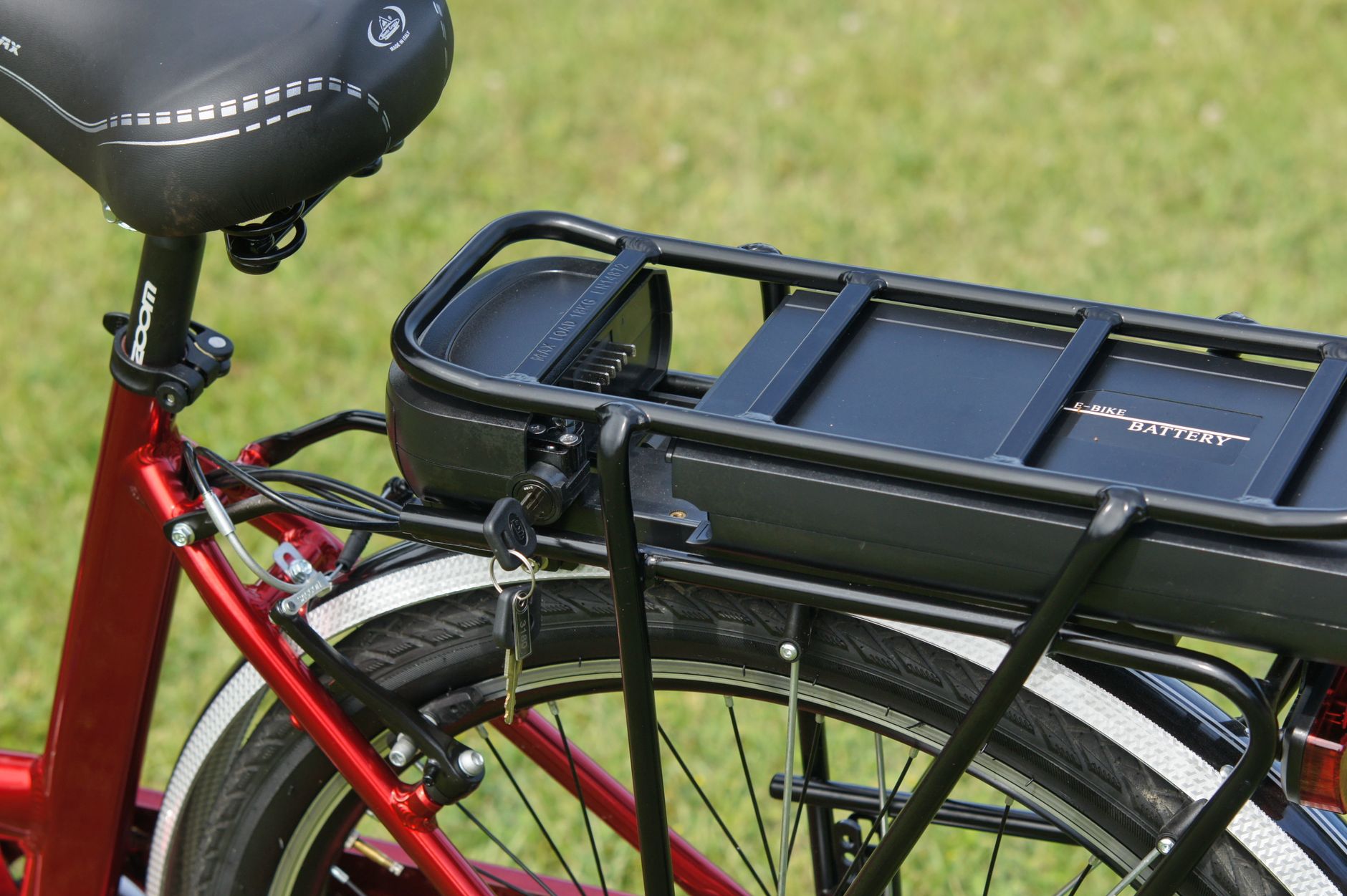
An e-bike charges in the hallway, the cellar, the workshop. Once a cell goes into thermal runaway, the first minute decides everything.
Read more
The original SAPFIR systems were built for chemical plants and locomotives, where nobody cared how they looked. A living room is different.
Read more
The automatic water suppression did its job. Then the water reached the floor below and did more damage than the fire itself.
Read more