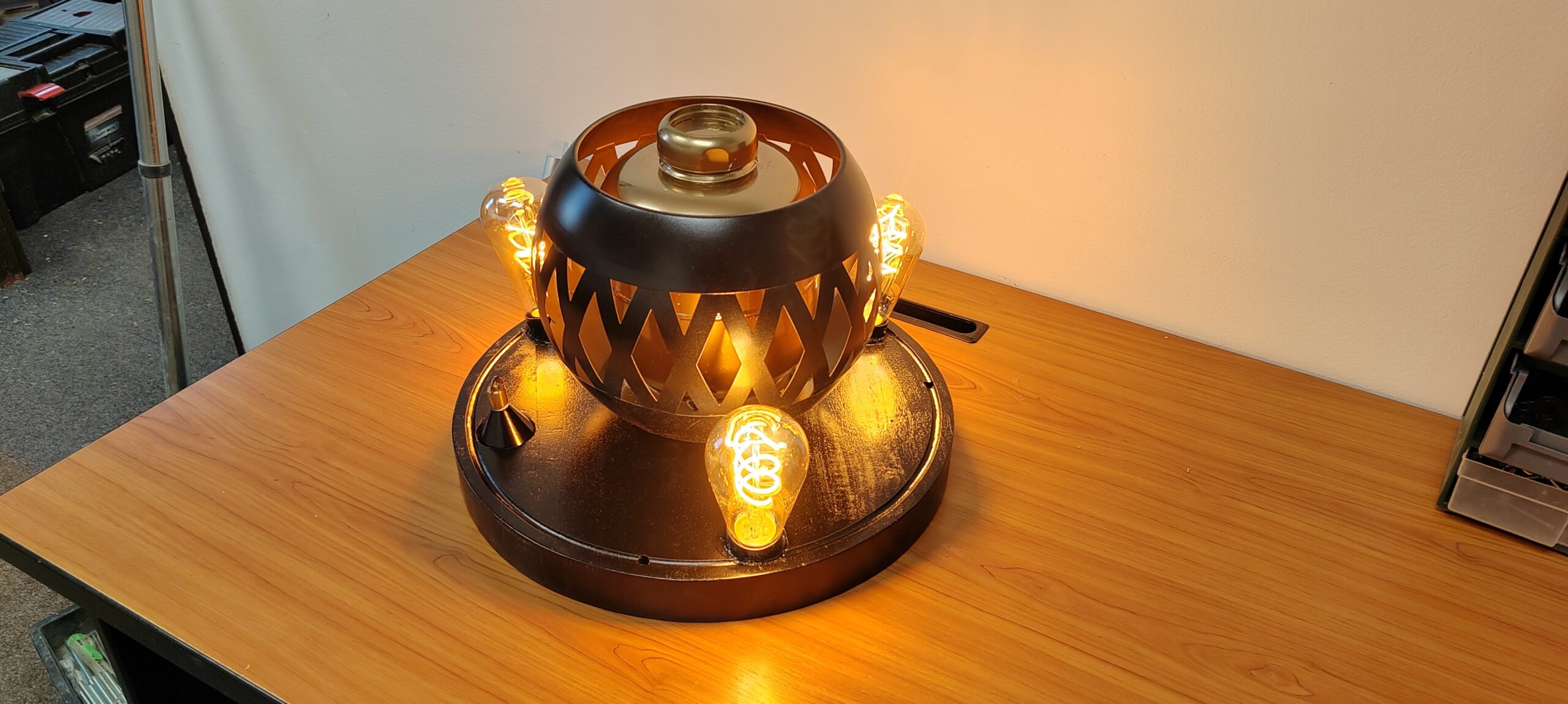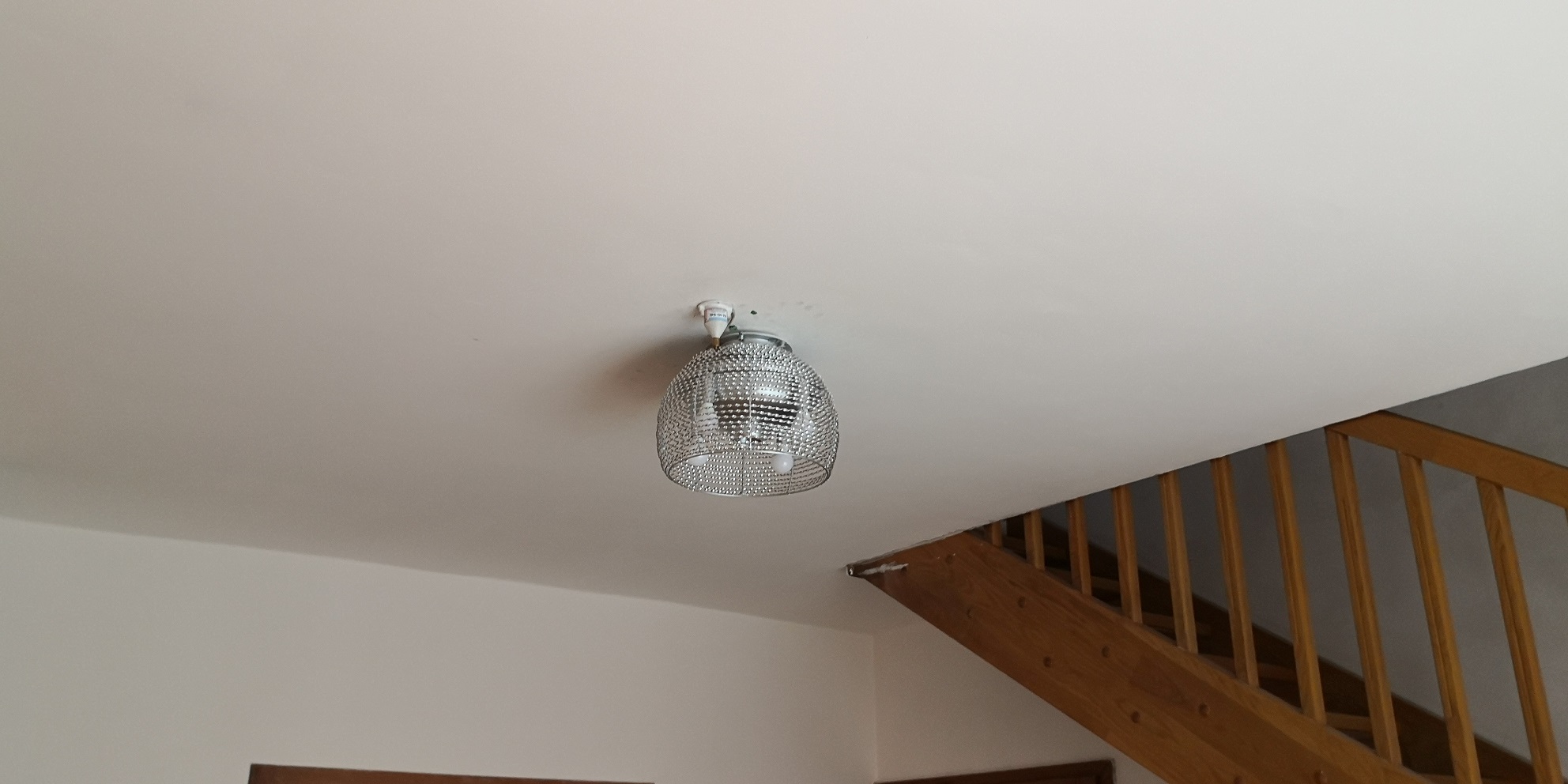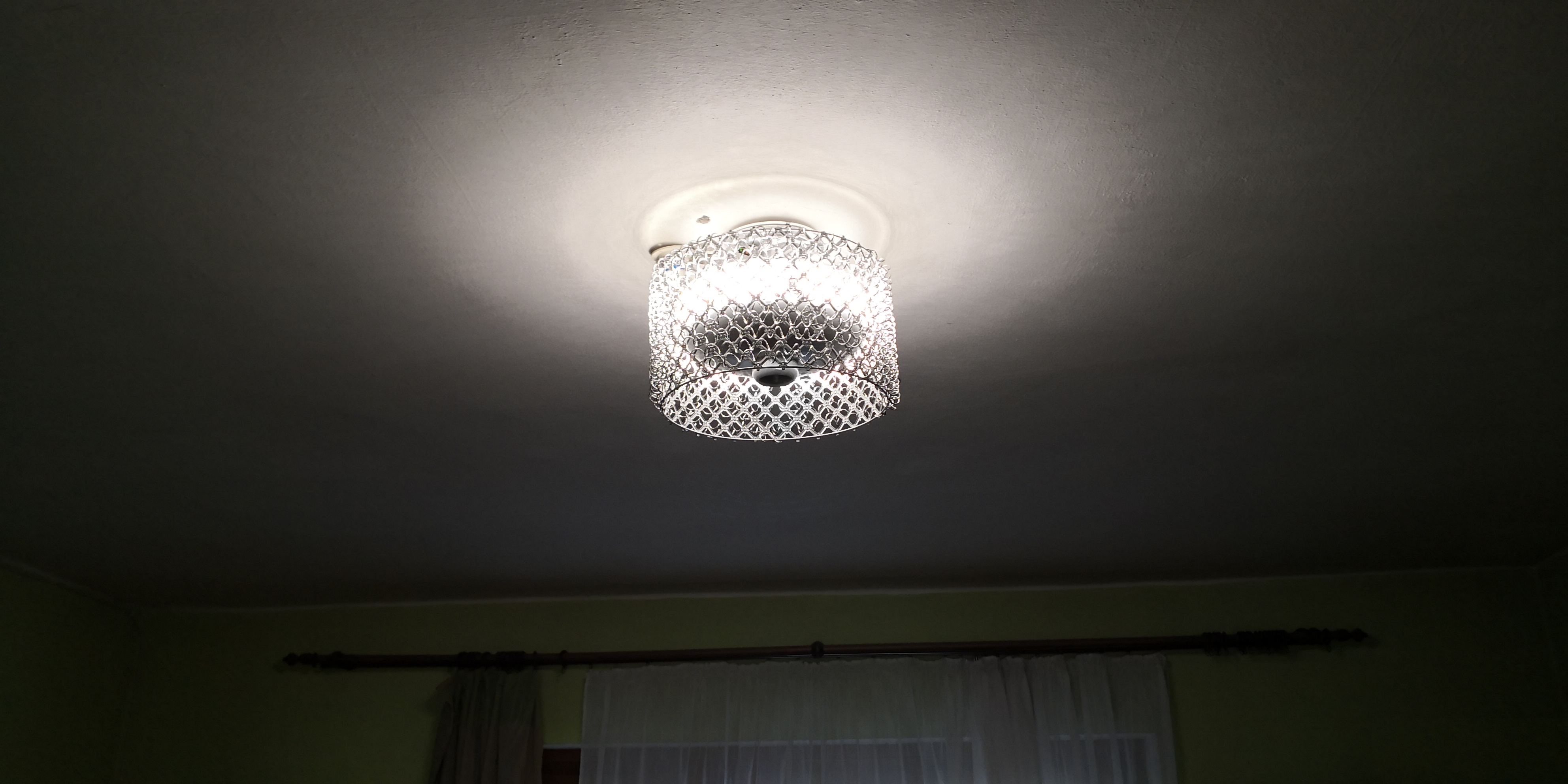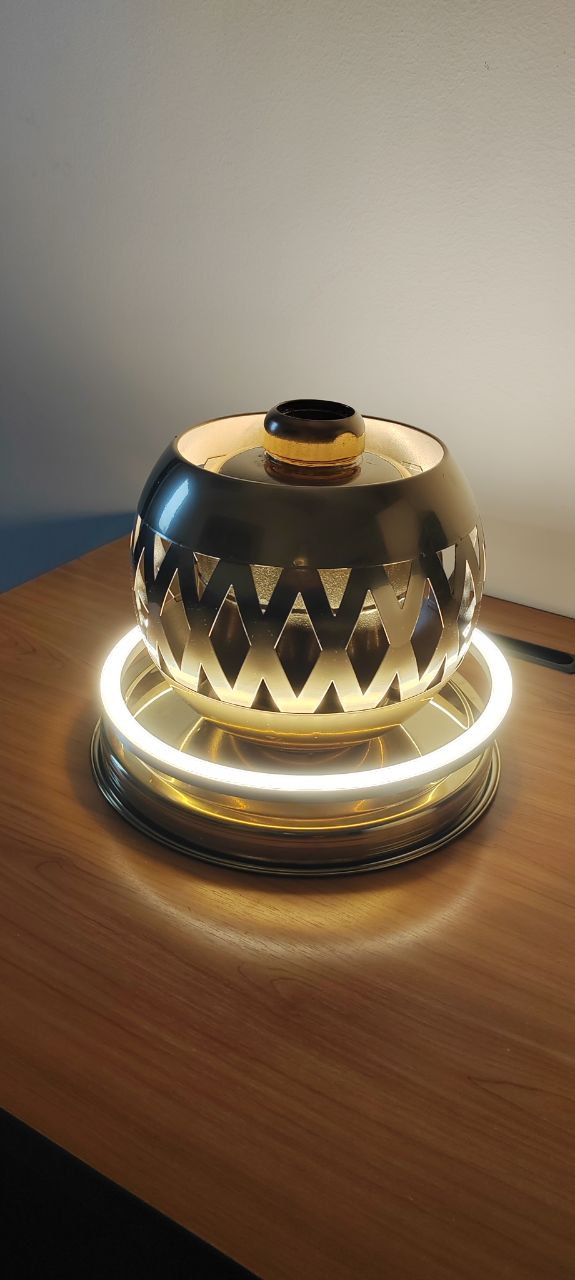
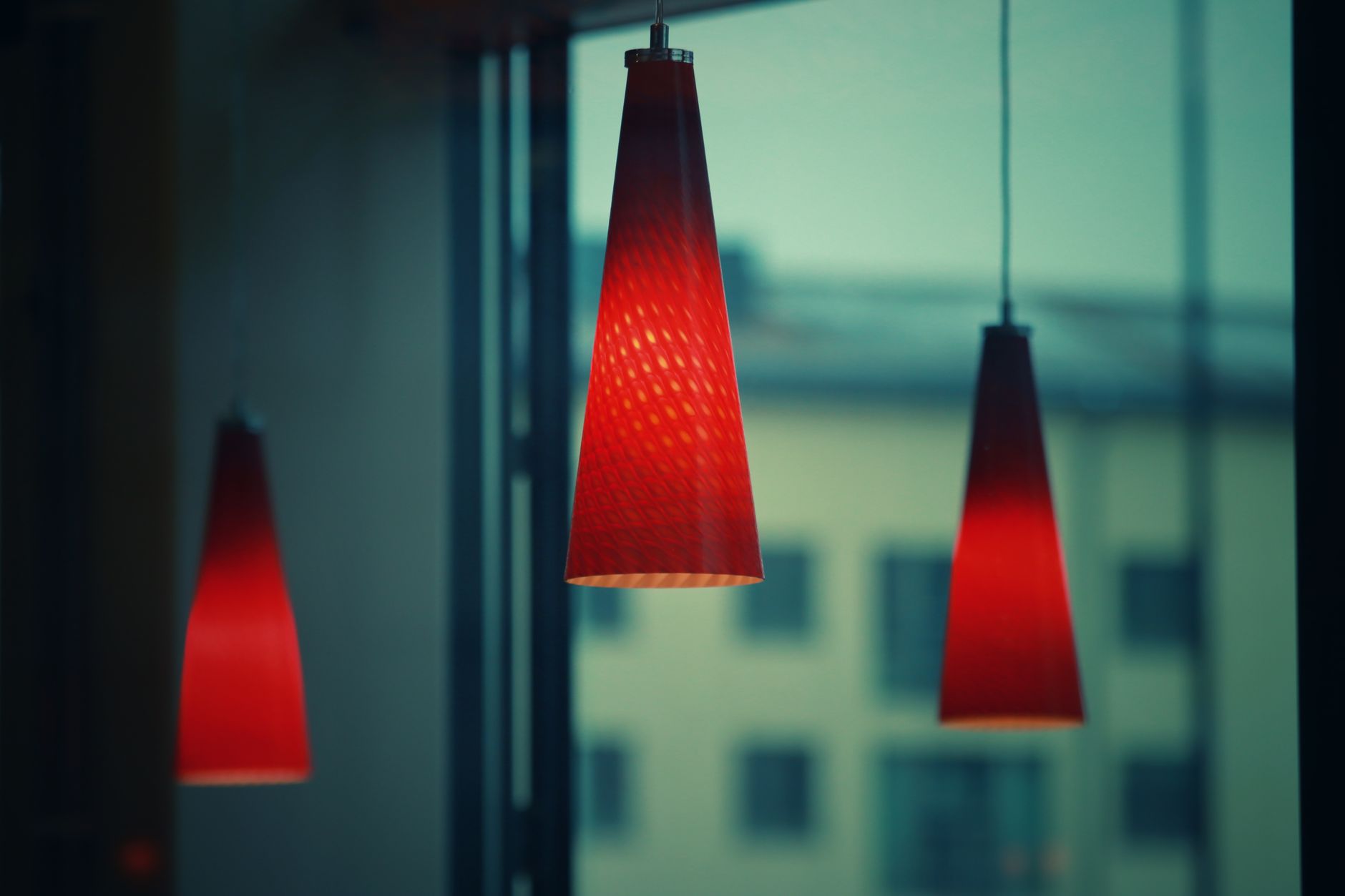
Fire-suppressing lamp 2.8 — gold, no sensor
Suppression lamps

Fire-suppressing lamp 2.8 — gold, no sensor

A lamp for dual suppression: two luminaires, one central sensor. Gold, black, white, silver.

Fire classes covered
  • A solids
  • B liquids
  • C gases
  • E electrical
Model code
LAMP-2.8-GOLD
Price on request

The price follows the number of zones and the floor area. Send a plan or a description of the site and you'll get an itemised breakdown.

12-year service life with annual inspections

Safe for people, animals and property. Once the fire is out, the powder vacuums or sweeps up.

Overview

Suppression tests in the Czech Republic in 2025 made one thing plain: a single central discharge only suffices in a room without obstacles. Put a large table, a sofa or a bookcase in it and you need two lamps. This version is built for exactly that — it carries no sensor of its own; a central TPS fires it, and it discharges together with a second lamp from the opposite side of the room. The LED light works like any pendant fitting; the suppression half speaks up once in twelve years, if ever.

What this model handles

  • Dual suppression: 2 lamps + 1 central TPS sensor
  • Finishes: gold, black, white, silver
  • Replaces an existing ceiling pendant
  • 12-year guarantee with an annual inspection

Technical specification

Technical specification — Fire-suppressing lamp 2.8 — gold, no sensor
Activation central TPS sensor (72 / 93 / 110 °C)
Installation ~30 min per luminaire, by an authorised SAPFIR technician
Inspection once a year
Guarantee 12 years
Fire classes A, B, C, E

What the fire classes mean

A
solids wood, paper, textiles, plastics, coal
B
liquids petrol, oils, paints, thinners, varnishes
C
gases LPG, natural gas, acetylene
E
electrical live equipment, switchboards, transformers up to 40,000 V

Want a price for your site?

Tell us what you're protecting and how large the space is. You'll get the breakdown: module count, sensors, installation, inspection.

Similar models

Same category, different figures. Compare area and volume — that's what the choice comes down to.