

SAPFIR LOCO — MPH-5T module
The transport version for locomotives and rail machines. Vibration, acidic air, heat.
- Fire classes covered
-
- A solids
- B liquids
- C gases
- E electrical
- Model code
- MPH-5T
The price follows the number of zones and the floor area. Send a plan or a description of the site and you'll get an itemised breakdown.
12-year service life with annual inspections
Safe for people, animals and property. Once the fire is out, the powder vacuums or sweeps up.
Overview
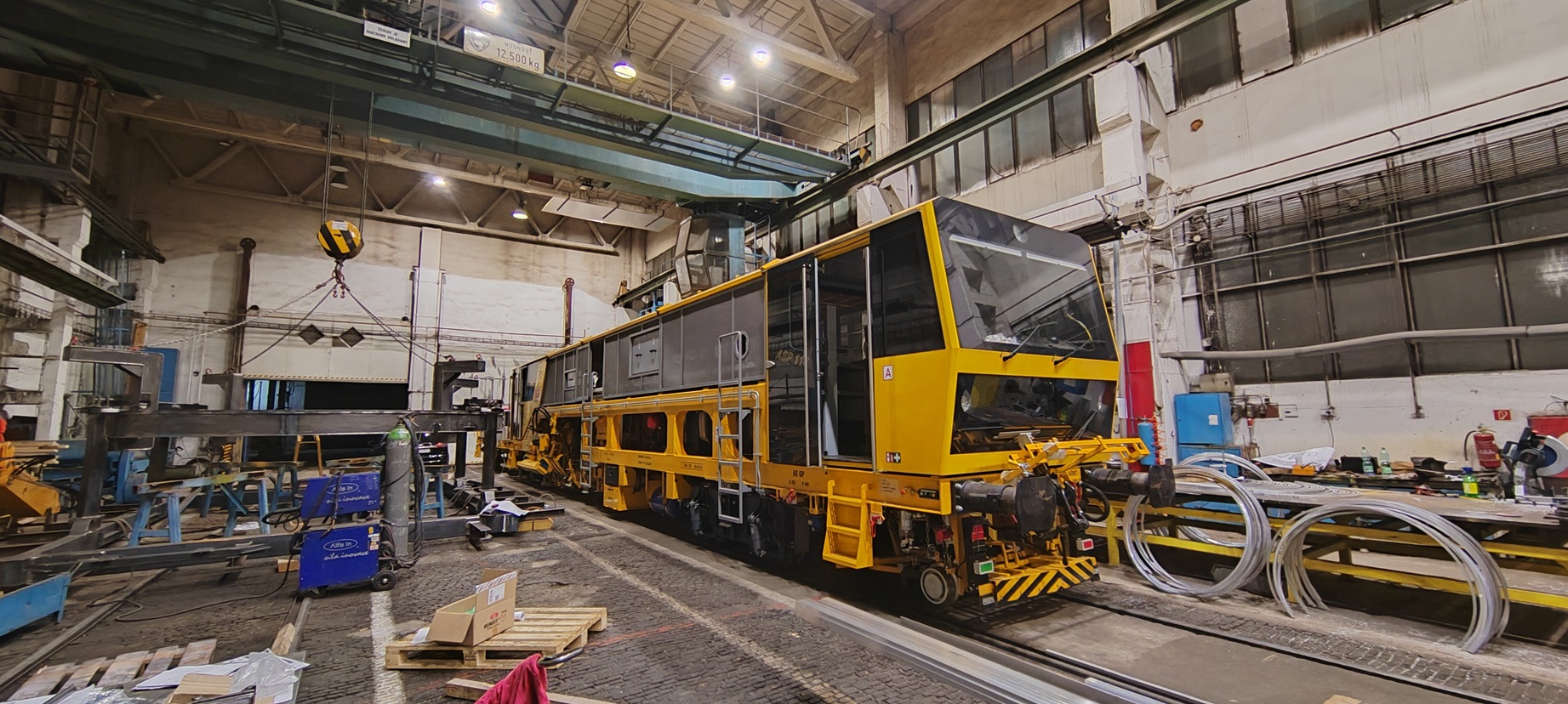
A fire on a rail machine usually ends in a total loss. Rebuilding a burnt-out locomotive means roughly two years out of service; on a grinding machine the damage reached about 3.5 million euros. The MPH-5T is the MPH-5 in transport specification: red finish, anti-vibration compensating pads, resistance to gases, acidic atmospheres and high temperatures. The system is split into zones — zone 1 is typically the engine, further zones cover axle gearboxes, hydraulic grinding heads and hoses. On the ASP114 machine for TSS GRADE in October 2024 we used 2× MPH-5T and 2× MPH-5T-2 on the engine alone.
What this model handles
- Zoned suppression: engine, axle gearboxes, hydraulics
- Anti-vibration compensating pads
- Resistant to gases, acidic atmospheres and heat
- TPS-01T sensors in transport specification
- Installed on: Plasser & Theurer UNIMAT, SSP-110.SW, SCHWEERBAU SPML 16-2
Technical specification
| Specification | transport (T), red |
|---|---|
| Variants | MPH-5T, MPH-5T-2, MPH-2.8T |
| Sensor | TPS-01T / TPS-01TC (72 / 93 / 110 °C) |
| Fire classes | A, B, C, E |
| Operating temperature | −65 °C to +125 °C |
What the fire classes mean
Want a price for your site?
Tell us what you're protecting and how large the space is. You'll get the breakdown: module count, sensors, installation, inspection.
Or call us +421 908 733 659