


energetika · 2016
Aupark Bratislava — data nodes
Water put out a cable fire. It flooded the shops one floor below and took the CCTV system down for three months.
Read moreThe STOP-FIRE-SAPFIR brand is represented by NanoOil & Sapfir s.r.o. of Bratislava. We sell, design and install autonomous powder suppression across Slovakia, the UK, Austria, Germany and Switzerland.
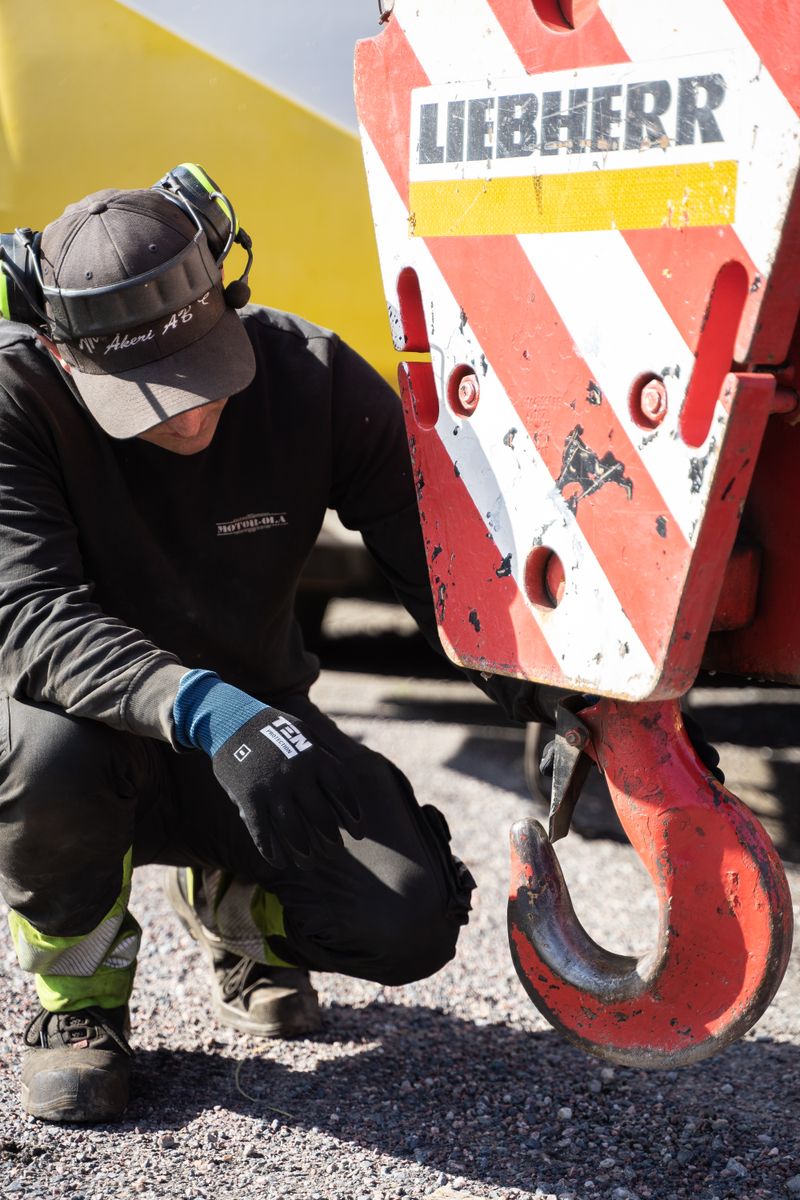
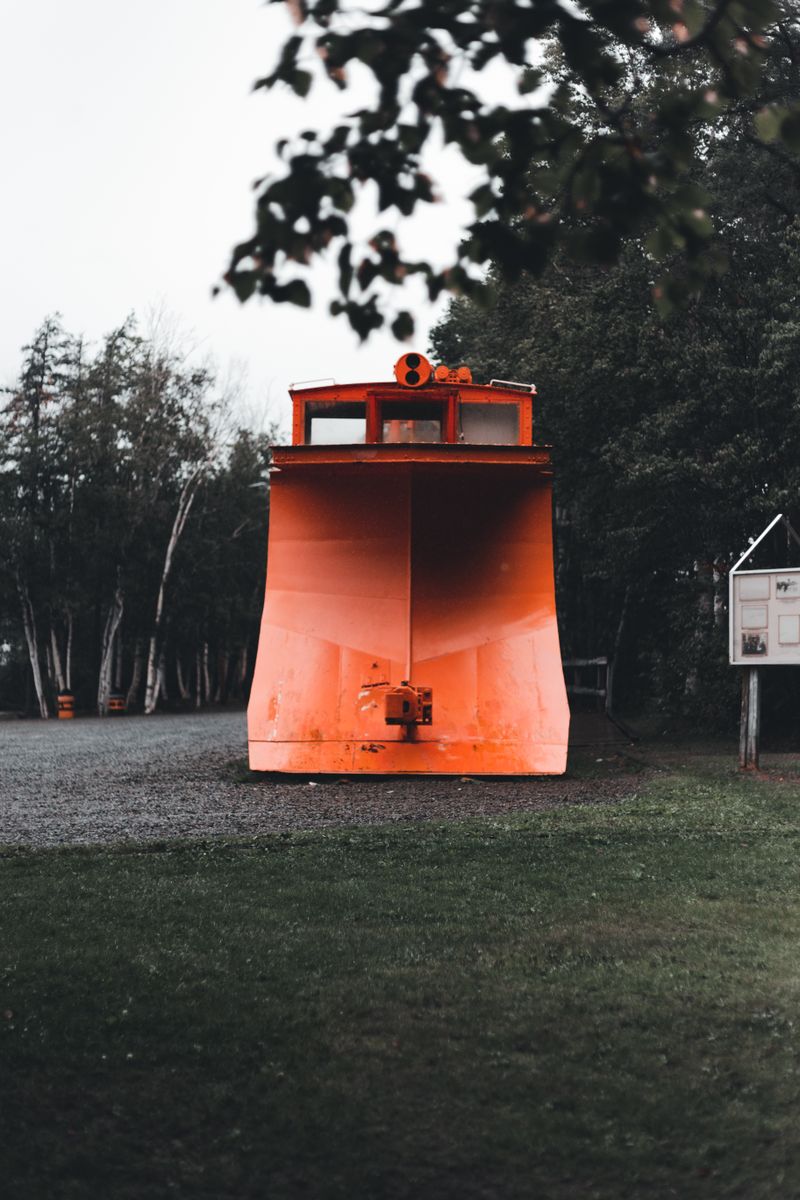
SAPFIR systems were built for industry, chemical production and rail maintenance machines. Nobody there cared what a module looked like. They cared whether the fire was out within five seconds.
The reason was simple. A fire on a rail machine usually ends in a total loss: rebuilding a burnt-out locomotive means roughly two years out of service, and repairing one rail grinder came to about €3.5 million. Chemicals are much the same — at Synthesia Pardubice it's cable ducts and munitions stores, at CRH it's spontaneous ignition in lime and adhesive production, where water and foam are no use and would freeze solid anyway.
Most sites came to us after something else had failed them. Škoda Auto approached the manufacturer after a fire in its engine plant, where gas suppression didn't hold up. Hyundai came after a robotic line fire that ran into millions. Nidec had two furnaces curing rotors at up to 180 °C — the gas system failed to put the fire out and destroyed itself in the process. The plant director put the saving from the autonomous prototype at over €1 million.
Homes came last, and they forced a redesign. You cannot hang a red canister from a flat's ceiling, so we hid it inside the light fitting. A suppression lamp replaces the existing ceiling light, works as an ordinary LED lamp, and starts extinguishing above 72 °C. The 2.8 model can sit recessed in a plasterboard ceiling, so after a fire you swap the cartridge instead of taking the ceiling apart.
We don't protect a space as a single lump. We split it into separate suppression zones, and each zone gets its own thermal sensor and the modules that belong to it. If the engine burns, the engine gets doused — the rest of the machine stays untouched.
An engine bay, a switch cabinet, a cable duct, a loft. Each zone is handled on its own so the powder lands exactly where the fire is.
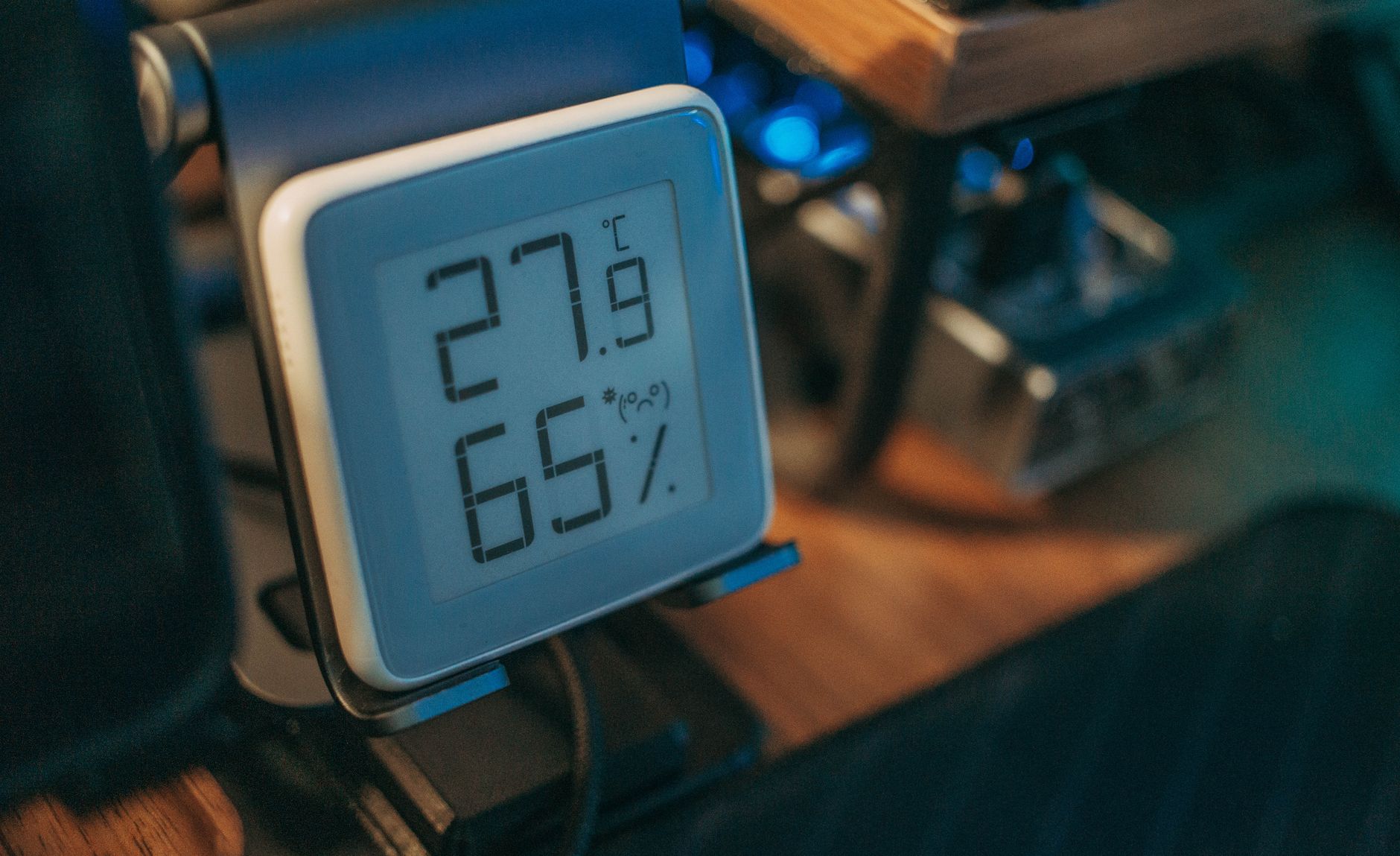
Triggers above 72 °C (93 or 110 °C depending on placement) once the heat holds for more than 20 seconds, or instantly on a heat surge above 150 °C. It needs no power supply.
The sensor sends a 0.5 A electrical pulse and fires 1 to 6 modules, technically up to 16. Out comes dry powder with cold gas, covering classes A, B, C and E.
A sensor with an information channel also closes the alarm circuit: siren, beacon and a GSM module that texts the numbers you nominate, or signals your fire panel.
After a discharge you vacuum or sweep up the powder and fit a new cartridge.
Every extinguishing agent costs you something. The question is whether you pay for the cartridge alone, or for everything that was meant to survive.
Needs a sealed room with nobody inside. The manufacturer's own site calls it toxic. At Nidec it failed to extinguish the furnace and burnt itself out; it fell short in Škoda Auto's engine plant too.
They write off electronics. At Aupark the water system flooded the shops one floor down and left the building's camera network dead for nearly three months. They freeze in winter and are unusable around lime and adhesive production.
Dry powder with cold gas. It spares electronics and antiques, harms neither people nor animals, and extinguishes transformers up to 40,000 V. It works from −65 to +125 °C, holds no pressure, and needs no maintenance for 12 years.
Cement works, chemical plants, incinerators, robotic lines and rail machines. A selection of our installations:
Water put out a cable fire. It flooded the shops one floor below and took the CCTV system down for three months.
Read more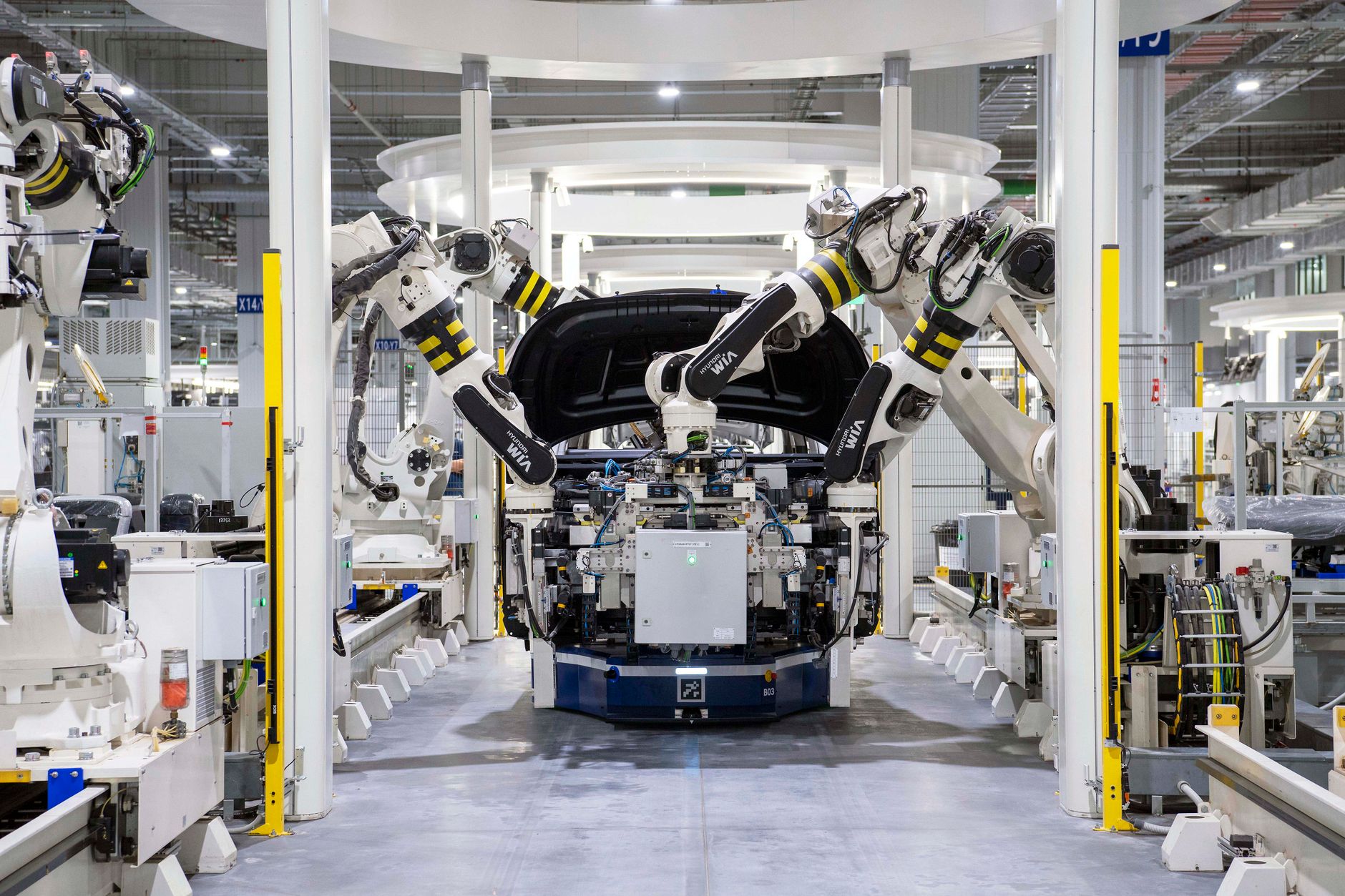
After a bad experience with gas suppression in the engine shop, they needed something that harms neither electronics nor people.
Read more
After a robotic line fire ran into millions, the Korean head office sent representatives to Slovakia.
Read more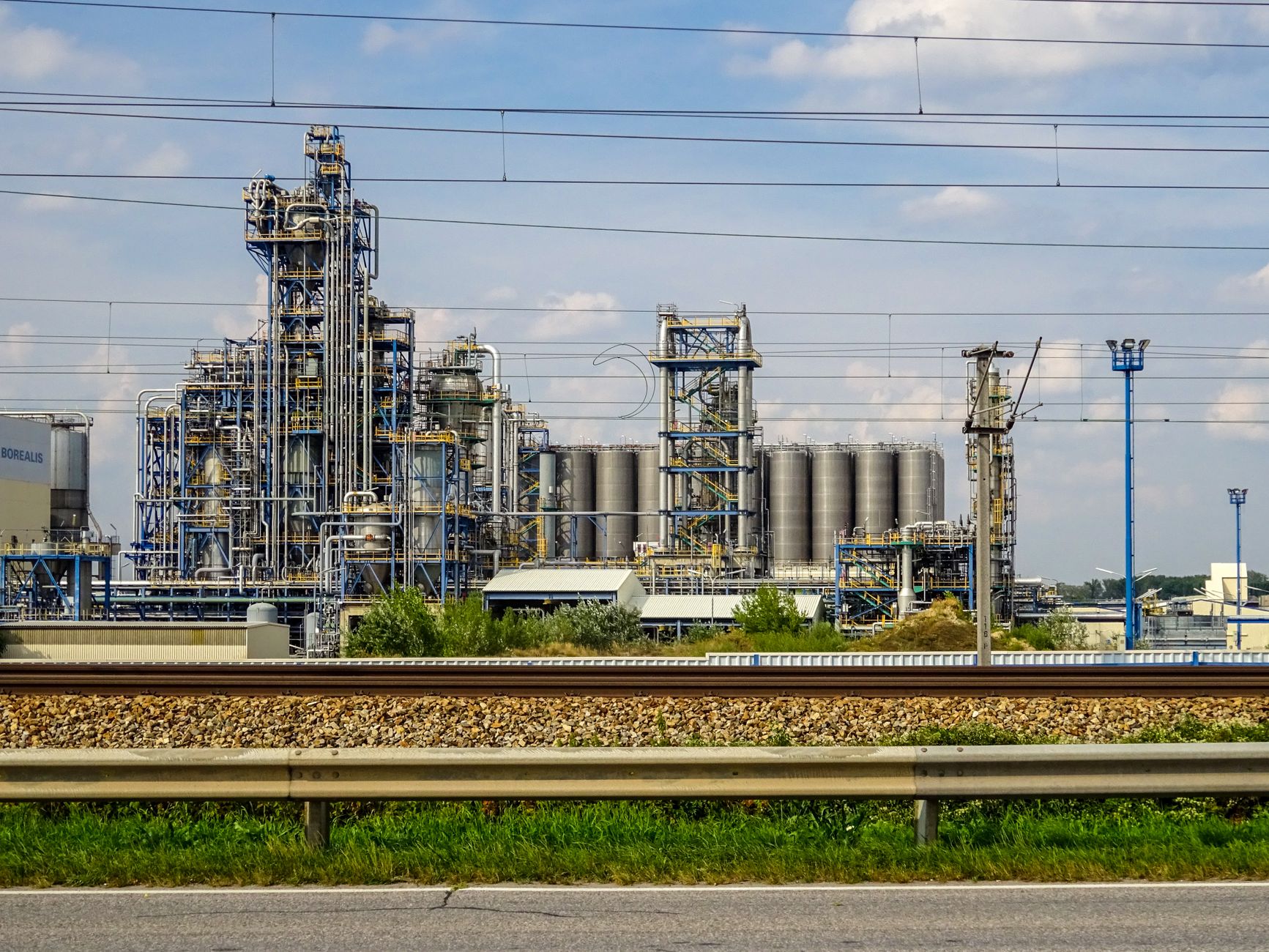
The standards called for 12 kg of powder. The head of the works brigade bet that 4 kg would not do it. It did.
Read moreWe'll walk the space, propose the zones and the module count. And if our system wouldn't help you, we'll say so.