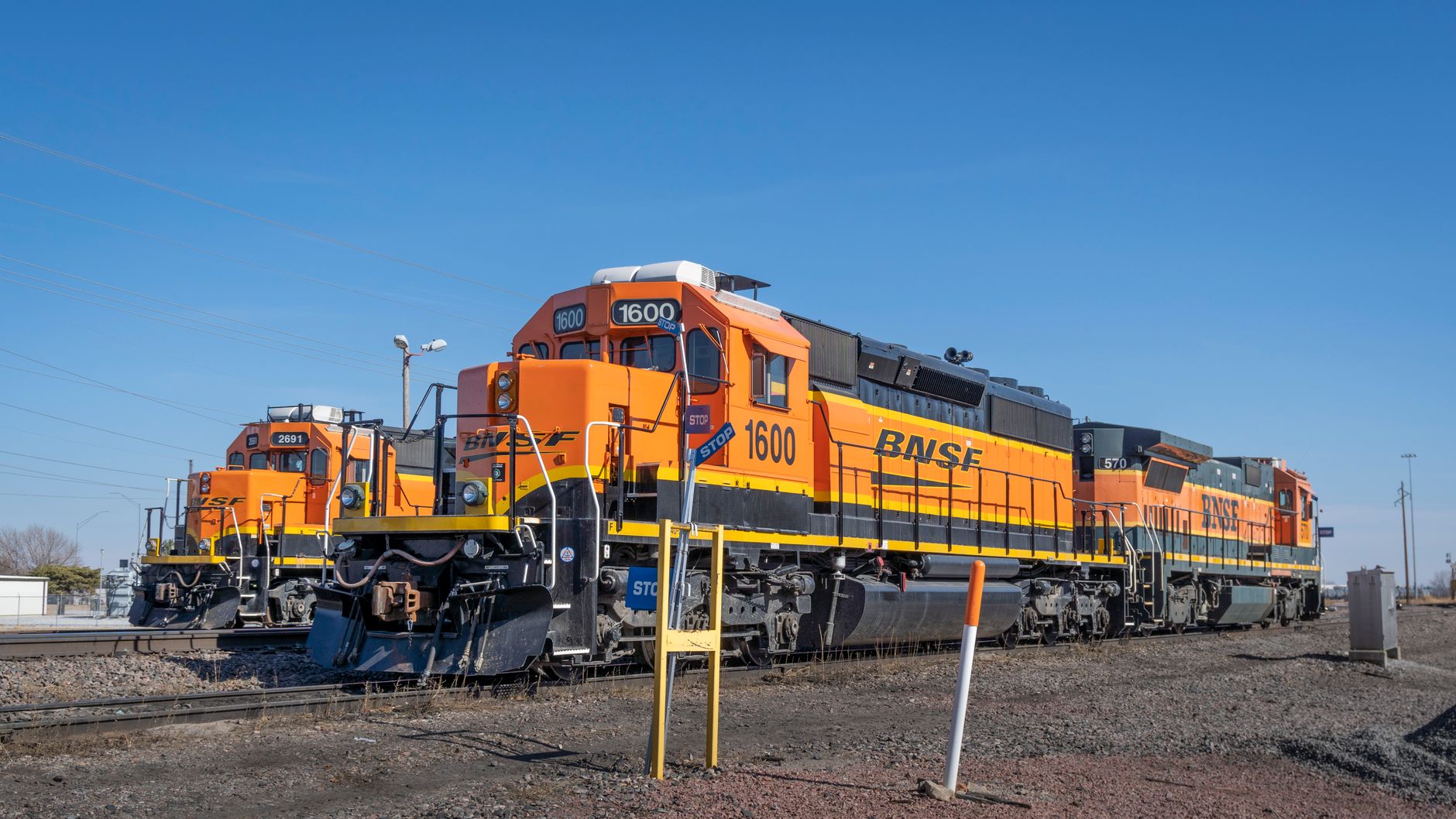
A rail machine has everything a fire needs. A diesel engine, pressurised hydraulics, grinding sparks, vibration — and nobody with a view of the engine bay while it works. When it does ignite, the machine is often tens of kilometres from the nearest fire station, somewhere out on the line.
The numbers behind it are unpleasant. Rebuilding a burnt-out locomotive means roughly two years before the machine is back in service. On a SCHWEERBAU grinder the damage reached about 3.5 million euros and the same two years of rebuilding. You cannot simply buy a replacement in that time — there are not ten of these machines sitting in a warehouse.
The first SAPFIR LOCO prototype was built in 2017 on a Plasser & Theurer SSP110SW track plough at the Lovosice depot, right after a locomotive burned to the ground. The UNIMAT 08-275, UNIMAT 08-275 3S, UNIMAT ASP 08-275U832, ASP114 and others followed.
The system is split into zones. Zone 1 is typically the engine; further zones cover axle gearboxes and hydraulic grinding heads with their hoses. On the ASP114 for TSS GRADE in October 2024, two MPH-5T and two MPH-5T-2 modules went onto the engine.
The modules are in transport specification: anti-vibration compensating pads, resistance to gases, acidic atmospheres and heat, and TPS-01T sensors with a shielded thermal element. None of it needs electricity — which, on a machine whose cable looms are the first thing a fire burns through, is the only sensible design.